Constipation trouble can be quite common - Page 1
A lot of people get constipated at various times in their lives. For some this can last a few days, for others it can be a regular occurrence. It is not ideal and long term it can be the cause of many problems.
Long gone are the days when the best thing for constipation was a harsh drug or man-made chemical laxative. This is only a short-term solution and does not solve the problem sensibly and can cause side-effects.
Natural methods to assist constipation are usually best. Regular occurrences of this problem can lead to severe stomach and intestinal difficulties as well as pains caused by having to push too hard on the toilet.
What is constipation?
This word means infrequent or irregular bowel movements, usually with quite some difficulty. Sometimes there is pain on passing dry hard faeces. It is usually harmless if it isn't a regular thing, but it may be an indication of an underlying problem.
Did you know that many people only have one bowel movement each day and sometimes even less than this. Some people only have one bowel movement every few days. We have even come across cases where there is only one or two bowel movements a month! In fact, it is not that unusual to hear that some women only have a bowel movement during their menstrual cycle each month.
The ideal situation is about 2 or 3 bowel movements each day which approximates to a bowel movement for each meal consumed. This isn't exact, but having just 1 bowel movement a day isn't quite as optimum and 1 movement every few days is definitely not ideal.
There are many severe health problems connected with periods of lengthy constipation. Studies have now shown that troubles with the intestinal tract and poor absorption of nutrients can stem from this troubling condition.
Some causes of constipation
One of the main causes of this is diet. While there are many other contributing factors like immobility, haemorrhoids, an anal fissure, hypothyroidism or hormonal changes like those in pregnancy, diet does play a large role in constipation. Most commonly it is a diet lacking in fibre.
Most people would not need assistance if they ate right and certainly wouldn't need strong laxatives. Unfortunately, artificial laxatives can contain harmful chemicals which can have side-effects over time.
But getting your diet right can take time and sometimes that is when a little help can prove to be beneficial.
Don't let it become a long term problem
Eating incorrectly can have long-term effects. One may not notice it when younger, but over a few years, to many meats, fats and dairy products can result in constipation.
The modern diet too often consists of fast food, high processed foods and the fresh fruit and vegetables fall away, to your detriment. Continual constipation does require a change in life style. Every whole grain item and every fibre-rich fruit and vegetable helps prevent these problems and brings a lot of intestinal relief.
It is important to make changes because it can become a more serious problem. It is also interesting to realise that the relief from getting things back on track isn't just physical. It can improve your emotional state and general outlook on life!
Some natural help and relief is available
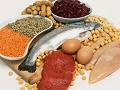
Foods that have special recognition as laxatives include almonds, apricots (dried), avocados, chicory, coconut, dandelion (yes get out in your garden and eat those dandelion leaves, so long as they have no chemicals on them!), dates, endive, figs, flaxseed, grapes, mango's, olive, papayas, parsley, persimmons, pineapple, prunes, rhubarb, soybeans, turnips, walnuts, watercress.
Include a combination of these in your diet as fresh salads, soups or snacks. Increase your intake of the above and if still constipated, increase again and lessen your intake of meat, dairy and highly processed food.
Get your body moving
When you feel bloated and bunged up, one of the last things you may feel like doing is moving your body around. It can be quite uncomfortable, but it is important that you do this. Many of us have quite sedentary (low movement) jobs these days and our bodies are not evolved for this sudden change in lifestyles.
We live on a planet that has a certain gravity level and bodies grow and develop against this gravity. The muscles in the body have a certain gravitational tension. When we sit down all day, this tension can be relaxed over many years and we can lose tonal muscle strength. This is especially noticeable in the gut area of humans. To compound this problem, the mere position of sitting for hours on end, can compress the intestinal and colon organs and we lose even more muscle tone here.
Allow yourself the time to get the body moving for a while each day, whilst being upright.
Getting some exercise, even going for a modest walk for 20 minutes or so each day, can help to strengthen the girdle of muscles around the pelvic and abdominal regions. This will help to bring the natural muscular action of the colon and intestines back into balance. Many people don't realise that these organs are basically a type of muscular tube that help to compress the food we eat and force it slowly and steadily along the digestive tract. Getting a sensible amount of body movement each day can really be beneficial.
Some other specific forms of exercise which can help to increase this form of muscular action include, walking, yoga, cycling, gentle trampolining or rebounding and anything else you can think of that moves the body against gravity a little. All of this strengthens the muscle fibres which in turn helps the digestion processes in the body.