organic nutrition supplements
clear

Arthritis and joint pains - symptoms and information.
Is there arthritis pain relief?

The following article gives information about arthritis and joint pains. There are many things that can be done to help ease the discomfort and bring about some arthritis relief.

As part of our regular newsletter there will be the latest news and examples of successful complementary treatments so you should sign up now if you haven't already (it's free).


Easing the pain caused by arthritis

Arthritis comes from the Greek word "arthron" meaning joint. Arthritis literally means 'joint inflammation'. According to the Arthritis Foundation, there are more than 100 different diseases that produce joint pain and inflammation - everything from the flu to certain cancers. The two most common forms of 'arthritis' are osteoarthritis and rheumatoid arthritis.


What can cause arthritis?

Other diseases and infections which cause arthritis include:

    gout*, psoriasis*, tuberculosis*.

*gout is a metabolic disease characterised by painful inflammation of certain joints, especially of the big toe and foot. One of the main causes is sodium urate which is deposited into these parts of the body. This is often caused by a diet being too rich in sugar, wine or junk foods.

*psoriasis: a skin disease characterised by the formation of reddish spots and patches covered with silvery scales: tends to run in families.

*tuberculosis: a communicable disease caused by infection with the bacterium tubercle bacillus, most frequently affecting the lungs.

Our circulation formula or detox & cleanse products should be considered.


Osteoarthritis symptoms and pain relief
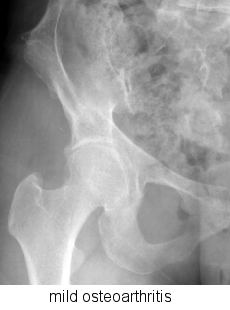
Osteoarthritis (osteo - bones or bones) is a degenerative disorder in which the cartilage between the joints wears away. The body attempts to repair this damage by producing bony outgrowths at the margins of affected joints, but these, in fact, cause pain and stiffness.

It is usually age-related and affects the hips, knees, spine and shoulders in particular. Obesity is an aggravating factor and excess weight can make it much worse.


Rheumatoid arthritis treatment
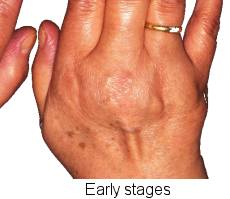
Rheumatoid* arthritis is a chronic, progressive disorder. The synovial* membrane lining the joint becomes inflamed, spreading over and eroding the cartilage, causing the characteristic pain and stiffness. Anaemia*, joint infections and pericarditis* are all complications of rheumatoid arthritis.

Definitions:

*rheumatoid: from latin rheumatisums catarrh, from Greek rheumatismos, from rheum : a watery discharge from the eyes or nose.

*synovial: a transparent lubrication fluid, secreted by the membranes lining the joints and tendon sheaths, etc

*anaemia: a deficiency in the number of red blood cells in the blood or in their reduced haemoglobin content.

*pericarditis: inflammation of the membranous sac enclosing the heart.


What can be done about arthritis? (Circulation formula)


Ginger

Ginger is a fantastic herb. It has been used for the treatment of many aliments. Studies show it is very beneficial in relieving arthritis. Its anti-inflammatory properties make it a well know arthritis treatment.

Ginger contains zingibain, a special proteolytic* enzyme. Research shows that proteolytic enzymes have anti-inflammatory properties. Taken as a tincture, capsule, as a tea or fresh, it does not have any reported side effects to high dosages. A dish prepared with ginger will actually give you a medicinal dose of the herb.

*proteolytic: the hydrolysis of proteins into simpler compounds by the action of enzymes.

Cayenne

Cayenne Pepper or Red Pepper ( Capsicum frutescens ) is another wonderful herb, with a wide range of medical properties to heal the body. Considered one of the best local and circulatory stimulants, cayenne may be used externally for poor circulation, unbroken chilblains and pains associated with arthritis and lumbago Capsicum creams are readily available or you can add a few drops of cayenne tincture to an ointment. If you do add to a cream, use sparingly at first gradually increasing the dosage.

Cayenne can be very hot and some people are sensitive. So test it first. Taken internally cayenne stimulates the heart, regulating the blood flow and strengthening the arteries and capillaries. Cayenne also contains capsaicin, a pain-relieving chemical. This also triggers the body to release endorphins, natures own opiates. Take cayenne as a tincture for fast acting absorption, and include the spice in your food.

Garlic and Ginkgo Biloba

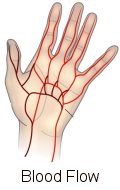
Both garlic and ginkgo biloba have been shown to help with circulation and improve blood flow. This is important where arthritis is concerned. You have to try to improve your circulation. This will help bring oxygen to the affected area and take away harmful deposits which have built up.

All of these herbs may help. We have produced a special formula which includes all four of these herbs: ginger, cayenne, garlic and ginkgo biloba. You can see more information about the circulation formula here (click).


Other things which may help:

Bromelain a proteclytic enzyme present in pineapples helps prevent inflammation. Bromelain helps the body get rid if immune antigen complex compounds that are inflicted in some arthritic conditions In addition to zingibain and bromelain there are other proteclytic enzymes that have similar effects. Kiwifruit, paw paw and figs are excellent sources. Calcium is always needed by the body and especially to aid in the prevention of osteoporosis.

Food and herbs high in calcium are : Alfalfa, Liquorice, Red clover shoots, Camomile, Chives, Coltsfoot, Dandelion, Horsetail, Meadowsweet, Nettle, Plantain, Watercress, Cabbage, Thyme and basil.

Devils Claw a tuber found in South Africa contains a glycoside called harpagoside that helps to reduce inflammation in joints. Best taken in the tincture form especially for inflamed joints. Also good for itchy skin with no obvious cause. One caution, this herb should be avoided during pregnancy.

Additional herbs that will assist in treating arthritis are: Turmeric, Willow a natural pain killer, Liquorice which has anti-inflammatory qualities, rosemary, oregano, basil, camphor, celery seed, meadowsweet.


Stinging Nettles have been used for thousands of years!

Nature provides us with many plants that will aid in the relieving of joint pain. The most radical and perhaps the most daunting is Stinging Nettles. It is called urtication - from nettles botanical name, Utrica dioica- and dates back to the biblical times. Quiet simply the plant is grasped in a gloved hand and the stiff, swollen joint is swatted, thrashed with the sting. Urtication often provides considerable relief. The tiny stingers of the nettle plant actually provide microinjections of several chemicals, one of which is histamine.

The theory is, these chemicals, as well as causing the sting, trigger anti-inflammatory action by the body and so relieve arthritis. This is an ancient folklore, that seems to work for many people all over the world. Nettles grow in may countries and in each stinging nettles has developed a reputation as a treatment for arthritis. For the less adventurous of us, a fresh nettle tea or eating nettles will offer the same long term benefits. Gently steam the young tender leaves, and enjoy as a vegetable. They do lose the stinging effect when cooked!

Related Articles see: Circulation, Exercise

Copyright © 2000 - 2005 P. Topham:
U.S. Nutritional and Herbal Researcher - All Rights Reserved

Do a detox program

You should seriously consider doing a detox program .

By getting rid of unwanted chemicals and toxins and improving your circulation you may find there is improvement.


Superfood - natural vitamins.

The other thing you may consider is Superfood. This is a 100% natural source of vitamins and minerals.

This means they are easily absorbed by your body and some studies have suggested that mineral and vitamin deficiencies can lead to or worsen arthritis problems.

Copyright 2005 Project Seven Development